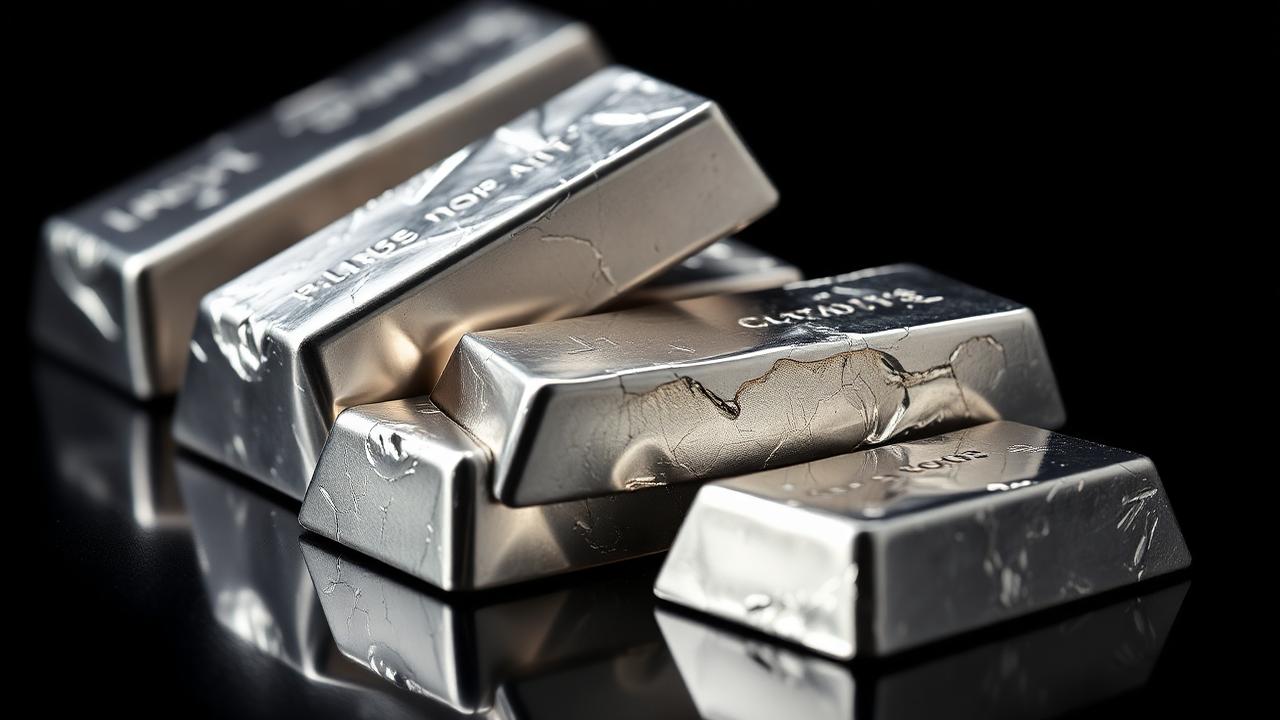
Platinum & Palladium: The Overlooked Metals With Massive Industrial Importance
Key Takeaways
- 1Platinum and palladium are among the rarest metals on Earth, with annual mine supply a fraction of gold's output.
- 2Automotive catalytic converters remain the largest demand source, with tightening emissions standards increasing PGM requirements per vehicle.
- 3Hydrogen fuel cell technology represents a major long-term growth catalyst for platinum demand.
- 4Over 70% of platinum comes from South Africa and 40%+ of palladium from Russia, creating significant geopolitical supply risk.
- 5Both metals are IRA-eligible at .9995 purity, allowing investors to add them alongside gold and silver in retirement accounts.
When most people think of precious metals, gold and silver come to mind first. But two lesser-known metals — platinum and palladium — play an outsized role in the global economy. Their unique industrial applications, growing supply constraints, and potential as portfolio diversifiers make them worth understanding for any serious investor.
In this guide, we'll break down what makes platinum and palladium different, where demand is coming from, and how they compare to their more famous counterparts.
Why These Metals Matter
Platinum and palladium are classified as platinum group metals (PGMs) — a family of six chemically similar elements that are among the rarest on Earth. While gold is primarily valued as a monetary metal and store of value, PGMs derive most of their worth from industrial applications.
Here's why that matters for investors:
- Dual demand drivers: PGMs benefit from both industrial consumption and investment demand, creating multiple price catalysts
- Extreme rarity: Annual platinum production is roughly 190 metric tons compared to gold's 3,000+ metric tons — making it about 15x rarer in terms of new supply
- Geopolitical concentration: Over 70% of platinum comes from South Africa and over 40% of palladium comes from Russia, creating significant supply risk
- Green energy transition: Both metals play critical roles in hydrogen fuel cell technology, which many governments are backing as part of their clean energy strategies
For investors looking to diversify beyond traditional stores of value, PGMs offer exposure to a fundamentally different set of market dynamics.
Industrial Uses
The industrial applications of platinum and palladium are what truly set them apart from gold and silver. Understanding these uses is key to understanding their price behavior.
Automotive Catalytic Converters
The single largest source of demand for both metals is the automotive industry. Catalytic converters use platinum and palladium to convert harmful exhaust emissions — carbon monoxide, hydrocarbons, and nitrogen oxides — into less harmful substances.
- Palladium is primarily used in gasoline vehicle catalytic converters
- Platinum is primarily used in diesel vehicle catalytic converters
- Tightening global emissions standards continue to increase the amount of PGMs required per vehicle
Hydrogen Fuel Cells
Platinum is a critical catalyst in proton exchange membrane (PEM) fuel cells — the type most commonly used in hydrogen-powered vehicles and stationary power systems. As governments invest billions in hydrogen infrastructure, platinum demand from this sector is projected to grow significantly through the end of the decade.
Other Industrial Applications
- Electronics: Palladium is used in multilayer ceramic capacitors (MLCCs) found in smartphones, computers, and electric vehicles
- Chemical processing: Platinum catalysts are essential in petroleum refining and chemical manufacturing
- Medical devices: Platinum's biocompatibility makes it valuable in pacemakers, dental equipment, and cancer treatment drugs
- Jewelry: Platinum remains popular in high-end jewelry, particularly in Japan and China
Supply Challenges
The supply side of the PGM equation is where things get particularly interesting — and potentially bullish — for investors.
Geographic Concentration
Unlike gold, which is mined across dozens of countries, PGM production is heavily concentrated:
- South Africa produces approximately 72% of the world's platinum and 36% of its palladium
- Russia produces approximately 10% of platinum and 43% of palladium
- Zimbabwe and North America account for most of the remainder
This concentration creates significant supply risk. South African mines face persistent challenges including aging infrastructure, power grid instability (load-shedding), labor disputes, and rising production costs. Russian supply faces ongoing geopolitical uncertainty due to sanctions and trade restrictions.
Structural Deficits
The platinum market has been in a structural supply deficit since 2023, with the World Platinum Investment Council projecting continued deficits through at least 2027. Palladium faces similar dynamics as above-ground inventories that accumulated during previous surplus years are being drawn down.
New mine development takes 7–10 years from discovery to production, meaning supply cannot respond quickly to rising demand — a setup that historically precedes significant price appreciation.
How They Compare to Gold and Silver
Understanding how PGMs differ from gold and silver helps investors determine how they might fit into a diversified precious metals portfolio.
| Factor | Gold | Silver | Platinum | Palladium |
|---|---|---|---|---|
| Primary demand | Investment / monetary | Industrial / investment | Industrial / investment | Industrial |
| Annual mine supply | ~3,100 tonnes | ~26,000 tonnes | ~190 tonnes | ~210 tonnes |
| IRA eligible? | Yes | Yes | Yes (.9995 purity) | Yes (.9995 purity) |
| Correlation to stocks | Low | Moderate | Moderate | Moderate-High |
| Volatility | Low-Moderate | Moderate-High | Moderate | High |
| Supply risk | Low | Moderate | High | Very High |
The key takeaway: platinum and palladium behave more like industrial commodities with precious metal characteristics, while gold behaves more like a currency or monetary asset. This difference is precisely what makes PGMs valuable as portfolio diversifiers — they respond to different economic signals than gold.
Investors who already hold gold and silver through a Gold IRA can often add platinum and palladium to the same account, provided the metals meet IRS purity requirements (.9995 fine for both).
When Each Asset Makes Sense
There's no one-size-fits-all answer for whether to invest in platinum, palladium, or stick with gold and silver. The right choice depends on your investment thesis:
- If you want a safe haven: Gold remains the primary choice for wealth preservation and crisis hedging
- If you want industrial exposure: Platinum and palladium offer leveraged exposure to automotive, clean energy, and technology sectors
- If you want maximum diversification: A mix of all four metals provides exposure to different demand drivers and reduces concentration risk
- If you're bullish on hydrogen: Platinum has the strongest long-term tailwind from the hydrogen economy
- If you want value: Platinum currently trades at a significant discount to gold on a per-ounce basis — a historically unusual relationship that some analysts view as a buying opportunity
Conclusion
Platinum and palladium may not grab headlines like gold, but their combination of extreme rarity, critical industrial applications, concentrated supply, and growing clean energy demand makes them compelling additions to a precious metals portfolio. As the world transitions toward stricter emissions standards and hydrogen-powered infrastructure, these overlooked metals could see meaningful price appreciation.
For investors willing to look beyond the familiar, PGMs offer a unique risk-reward profile that complements traditional gold and silver holdings. Whether through physical bars and coins, an IRA, or ETFs, adding platinum and palladium exposure is one of the more straightforward ways to diversify within the precious metals space.
Found this article helpful?
Take Our 1-Minute Gold IRA Match Quiz
Get a personalized recommendation based on your goals and investment style.
Frequently Asked Questions
Explore Related Topics
For Investors Who Don't Have Time to Chase Headlines
Industry news distilled into a scannable email.
Vincent Edwards
Vincent Edwards is the editor and lead analyst at Precious Metals Report, specializing in gold and silver market analysis, retirement investing, and macroeconomic trends.
Read more from this author