Platinum Supply Constraints: Why the Deficit Persists
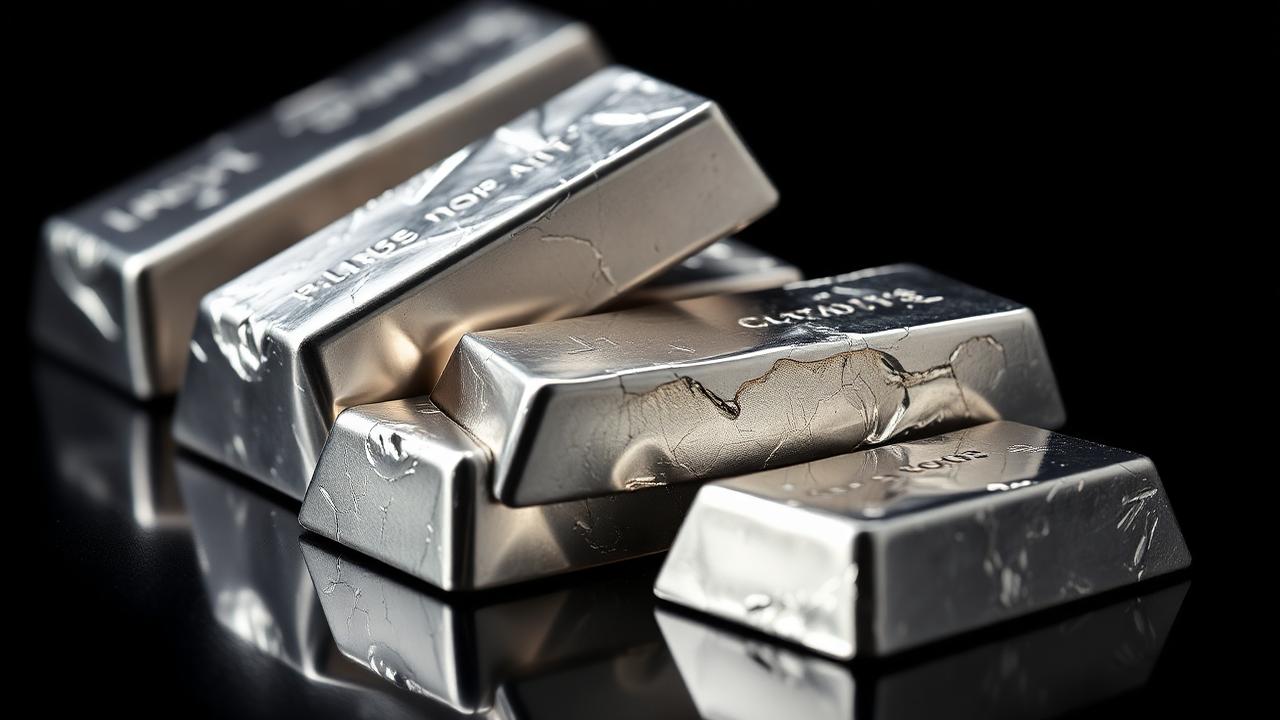
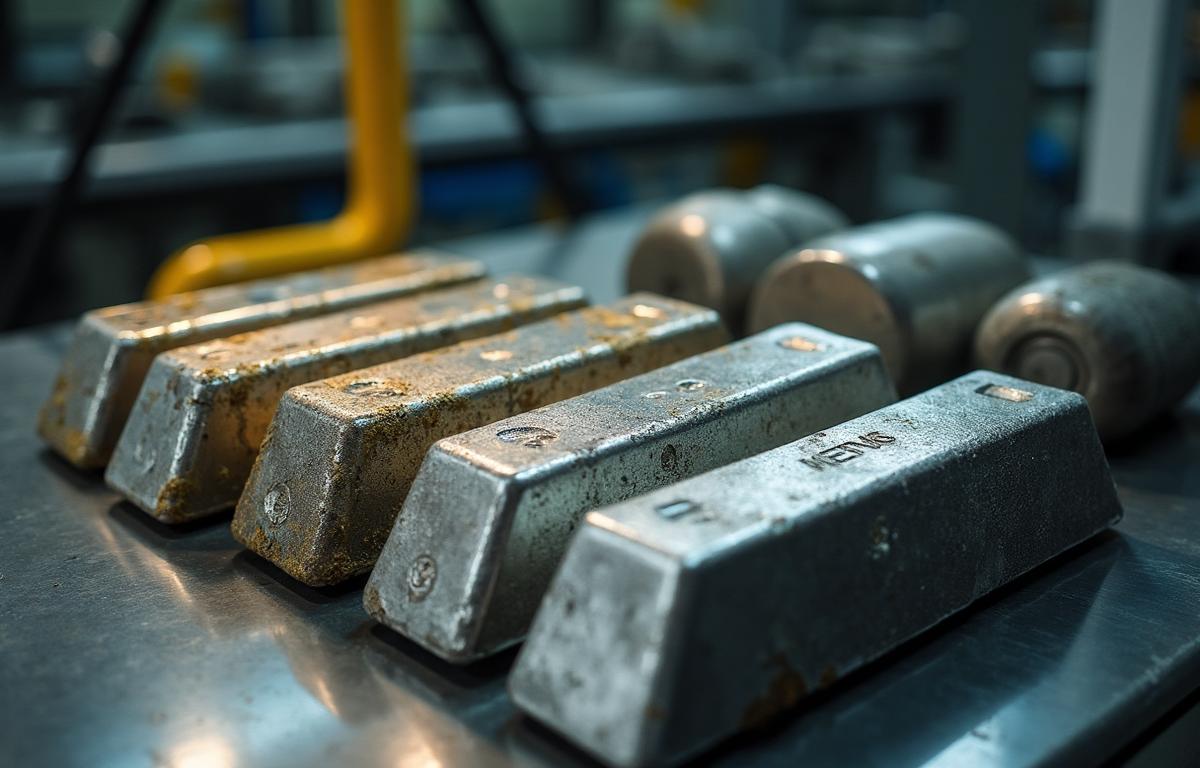
Platinum is the precious metal most investors know least about, and that gap creates both opportunity and risk. It trades near $1,776 per ounce as of mid-September 2026 — well below gold, despite being far rarer. Understanding why requires looking at how platinum is produced and what it is actually used for, because the metal's price is set by industry far more than by investors.
Extreme Supply Concentration
Platinum production is concentrated in a way almost no other commodity matches. A large majority of global mine supply comes from a small number of deep, labor-intensive operations in southern Africa, with Russia supplying a meaningful additional share. That concentration produces a specific kind of fragility: the market's supply outlook depends heavily on electricity reliability, labor relations, and shaft-level operating decisions within a handful of mining complexes.
The Deep-Mine Cost Problem
Platinum ore bodies in South Africa are mined at depths where ventilation, cooling, and haulage costs are severe. When electricity supply is unreliable or costs rise faster than the metal price, marginal shafts become uneconomic. Producers respond by closing them — and once a deep shaft is mothballed, restarting it is expensive and slow. This asymmetry means supply can leave the market quickly and returns slowly, which is a large part of why deficits persist rather than self-correcting.
Recycling Is Real but Cyclical
Autocatalyst recycling is the second major supply source. It depends on scrappage rates for older vehicles, which respond to used-car values and economic conditions rather than platinum prices. Recycled supply softens shortages but cannot be dialed up on demand.
Where the Demand Comes From
Autocatalysts
Platinum's largest single use is emissions control, historically dominated by diesel engines. This is also where the bear case lives: as light-vehicle fleets electrify, some of that demand disappears permanently. The offset has been substitution — with palladium having traded at a large premium to platinum for years, manufacturers re-engineered gasoline catalysts to use platinum instead. That substitution is sticky, because requalifying a catalyst formulation is a multi-year engineering project that nobody reverses casually.
Industrial and Chemical Uses
Platinum is a workhorse catalyst in petroleum refining, nitric acid and specialty chemical production, and glass-fiber manufacturing. It also appears in medical devices, laboratory equipment, and electronics. This demand is steady and largely insensitive to the metal's price, since platinum's cost is small relative to the value of the processes it enables.
Hydrogen: The Long-Dated Option
Proton-exchange membrane electrolyzers and fuel cells use platinum. If hydrogen becomes a significant part of industrial energy and heavy transport, this becomes a major new demand source. Investors should treat it as a genuine long-term possibility rather than a reason to buy today — build-out timelines are long and policy-dependent, and thrifting research is continuous.
Jewelry and Investment
Platinum jewelry demand is price-elastic and concentrated in specific markets. Bar and coin demand is modest compared with gold and silver, which is one reason the metal's price tracks industrial conditions rather than monetary anxiety.
Why the Discount to Gold Persists
Platinum is scarcer than gold in the ground and above it. Yet it trades at a fraction of gold's price because the two metals answer different questions. Gold is bought by central banks and investors as a monetary reserve; almost nobody holds platinum for that purpose. Platinum's price therefore reflects the health of the industries that consume it. A persistent deficit is bullish, but it will not be resolved by monetary anxiety the way gold's is.
How Investors Should Think About It
- Treat it as a satellite, not a core holding. Most diversified metals investors keep platinum a modest share of their allocation, with gold and silver forming the base.
- Expect wider spreads and lower liquidity. Platinum coins and bars trade in a thinner market than gold. Bid/ask spreads are wider, and selling may take longer or attract less competitive quotes.
- Confirm IRA eligibility before buying for retirement. Platinum must meet a 99.95% fineness standard to qualify, and not every product does. Our retirement accounts guide covers the rules.
- Understand the risk you are taking. This is a bet on industrial demand and constrained supply, not a currency hedge. It can perform well when gold is flat, and poorly when manufacturing weakens.
What to Watch
The signals that matter most are South African production announcements and shaft closures, electricity reliability in producing regions, palladium/platinum price spreads that drive substitution, autocatalyst recycling volumes, and hydrogen electrolyzer commitments. These are industrial data points, and they will tell you more about platinum's next move than any monetary headline. For a broader comparison across the complex, see our guide to choosing between gold, silver, platinum, and palladium.
The Bottom Line
Platinum's supply deficit is structural rather than temporary: production is concentrated in high-cost deep mines that shut faster than they reopen, while industrial demand is largely non-discretionary and substitution from palladium has proven durable. That argues for owning some. The offsetting realities — thinner liquidity, exposure to industrial cycles, and long-term uncertainty about internal-combustion catalyst demand — argue for owning less of it than gold. A modest, patient position is the approach that respects both sides of the argument.
Found this article helpful?
Take Our 1-Minute Gold IRA Match Quiz
Get a personalized recommendation based on your goals and investment style.
Frequently Asked Questions
Explore Related Topics
For Investors Who Don't Have Time to Chase Headlines
Industry news distilled into a scannable email.
Vincent Edwards
Our editorial team covers platinum for Precious Metals Report, focused on clear, unbiased reporting and investor education.
Read more from this author