Constitutional Silver: A Comprehensive Guide for Investors
Key Takeaways
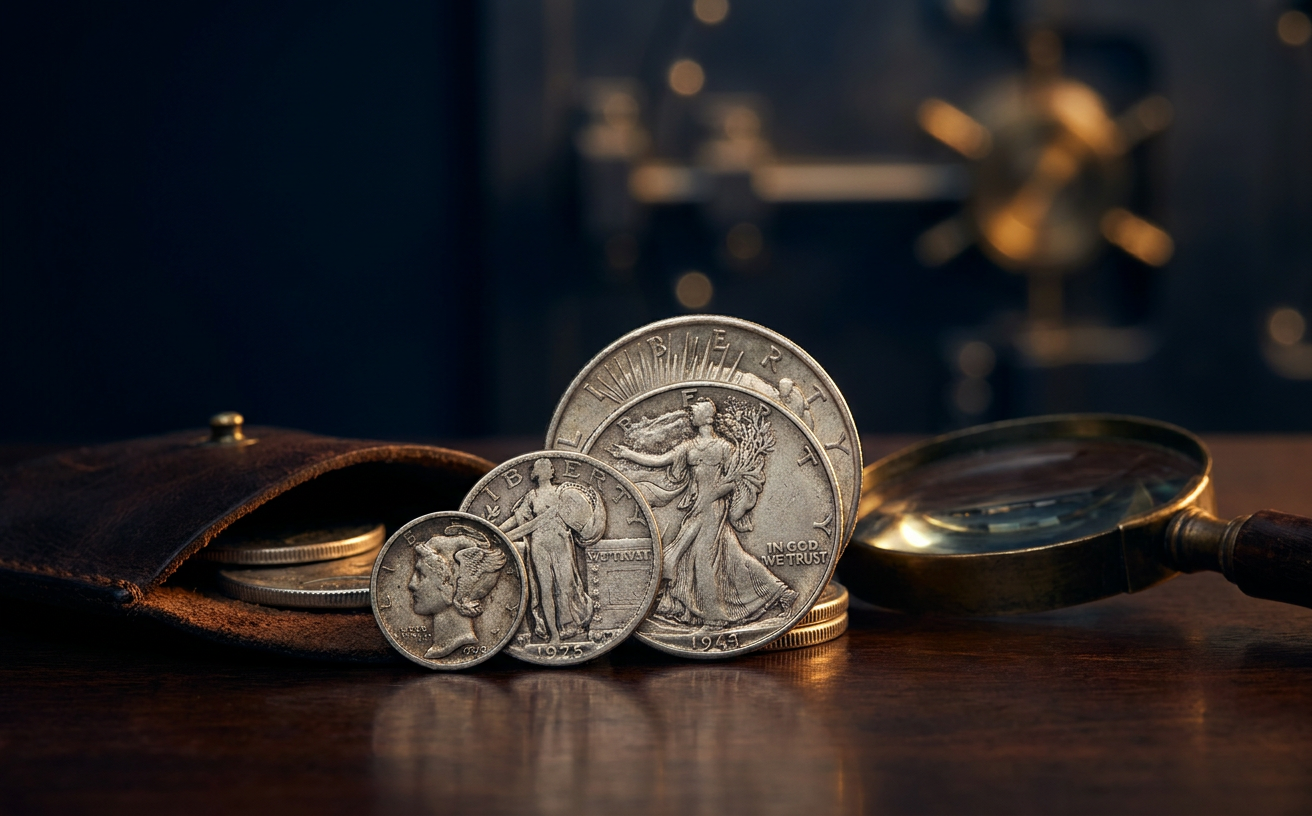
- 1Constitutional silver refers to U.S. dimes, quarters, and half-dollars minted before 1965, containing 90% silver. Post-1964 Kennedy half-dollars (1965-1970) contain 40% silver.
- 2Approximately $1.40 face value of 90% Constitutional silver contains one troy ounce of pure silver.
- 3Key advantages include divisibility for potential bartering, historical value, and relatively high liquidity.
- 4Investors should account for premiums over spot price and secure storage for their holdings.
- 5Silver, including Constitutional silver, holds potential for significant long-term appreciation due to industrial demand and its role as a monetary asset. Some projections indicate Silver could reach $93.50 by 2026.
Introduction: Understanding Constitutional Silver
For discerning investors interested in precious metals, "Constitutional silver" represents a unique and historically significant asset. This term refers to U.S. dimes, quarters, and half-dollars minted before 1965, which contain 90% silver. Often referred to as "junk silver" in the market, this moniker belies its inherent value and its enduring appeal to those seeking tangible wealth.
A Brief History of U.S. Silver Coinage
The United States Mint historically produced coinage with intrinsic metallic value. From 1792 until 1964, most U.S. dimes, quarters, and half-dollars were struck with a composition of 90% silver and 10% copper. This changed dramatically with the Coinage Act of 1965, which eliminated silver from dimes and quarters due to rising silver prices. Half-dollars continued to contain 40% silver between 1965 and 1970 before ultimately transitioning to a copper-nickel clad composition.
Identifying Constitutional Silver
Identifying Constitutional silver is straightforward. The key lies in the mint date:
- Dimes (1964 and earlier): All U.S. dimes minted in 1964 or prior contain 90% silver. This includes Roosevelt dimes, Mercury dimes, and Barber dimes.
- Quarters (1964 and earlier): Similarly, all U.S. quarters dated 1964 or earlier are 90% silver. This encompasses Washington quarters, Standing Liberty quarters, and Barber quarters.
- Half-Dollars (1964 and earlier): Franklin half-dollars, Walking Liberty half-dollars, and Barber half-dollars minted in 1964 or earlier are 90% silver. Kennedy half-dollars from 1964 are also 90% silver.
- Half-Dollars (1965-1970): Kennedy half-dollars minted between 1965 and 1970 contain 40% silver. These are often referred to as "40% junk silver."
Calculating the Silver Content and Value
One of the primary advantages of Constitutional silver is its standardized silver content, making value assessment relatively simple. The "face value" of a coin refers to its original currency denomination, but its intrinsic value is tied to its silver content.
Standard Silver Weight per Face Value
A common method for estimating the silver content involves understanding the quantity of pure silver per dollar of face value for 90% silver coins. Approximately $1.40 face value of 90% silver coins contains one troy ounce of pure silver. This is an approximation, as the exact weight can vary slightly due to wear and individual coin specifics, but it serves as a reliable general rule.
Example Calculation:
If you possess $100 face value of 90% Constitutional silver:
- Divide the face value by 1.40: $100 / $1.40 = approximately 71.43 troy ounces of pure silver.
- Multiply this by the current spot price of silver to determine the melt value. For instance, if silver is at $25 per ounce, the melt value would be 71.43 oz * $25/oz = $1,785.75.
Why Invest in Constitutional Silver?
Divisibility and Recognizability
Constitutional silver offers superior divisibility compared to larger silver bars or rounds. In a potential economic downturn or crisis, smaller denominations of silver could facilitate bartering and transactions more readily than a 10-ounce bar. Furthermore, the coins are instantly recognizable as U.S. currency, adding a layer of trust and familiarity.
Historical Value and Collectibility (Beyond Melt Value)
While often purchased for its melt value, some Constitutional silver coins possess numismatic value above their silver content. Key dates, mint marks, and rare varieties can command significantly higher prices from collectors. Investors should research individual coins to determine if they hold such premiums.
Accessibility and Liquidity
Constitutional silver is widely available from coin dealers, precious metals retailers, and even online marketplaces. Its broad recognition and demand contribute to its relatively high liquidity, allowing investors to buy and sell with ease.
Considerations for Modern Stackers
Premiums Over Spot Price
Like all forms of physical silver, Constitutional silver typically trades at a premium over the spot price of silver. This premium covers refining, minting, distribution, and dealer overhead. These premiums can fluctuate based on market demand and supply.
Storage and Security
As a tangible asset, Constitutional silver requires secure storage. Options range from home safes to professional vaulting services, depending on the volume and value of your holdings. Proper storage protects against theft and damage.
Potential for Future Appreciation
The long-term outlook for silver remains constructive. With increasing industrial demand, particularly in green technologies, and its traditional role as a monetary metal, many analysts project significant appreciation. For instance, some forward-looking macro projections suggest a potential Silver price of $93.50 by 2026.
Conclusion
Constitutional silver serves as a foundational component in a well-diversified precious metals portfolio for the serious investor. Its intrinsic value, historical significance, divisibility, and liquidity make it a compelling asset. Understanding its unique characteristics allows investors to harness its benefits effectively in their pursuit of long-term wealth preservation and growth.
Found this article helpful?
Take Our 1-Minute Gold IRA Match Quiz
Get a personalized recommendation based on your goals and investment style.
Frequently Asked Questions
Explore Related Topics
For Investors Who Don't Have Time to Chase Headlines
Industry news distilled into a scannable email.
Vincent Edwards
Our editorial team covers investing for Precious Metals Report, focused on clear, unbiased reporting and investor education.
Read more from this author