Palladium Market Outlook: A Comprehensive Analysis
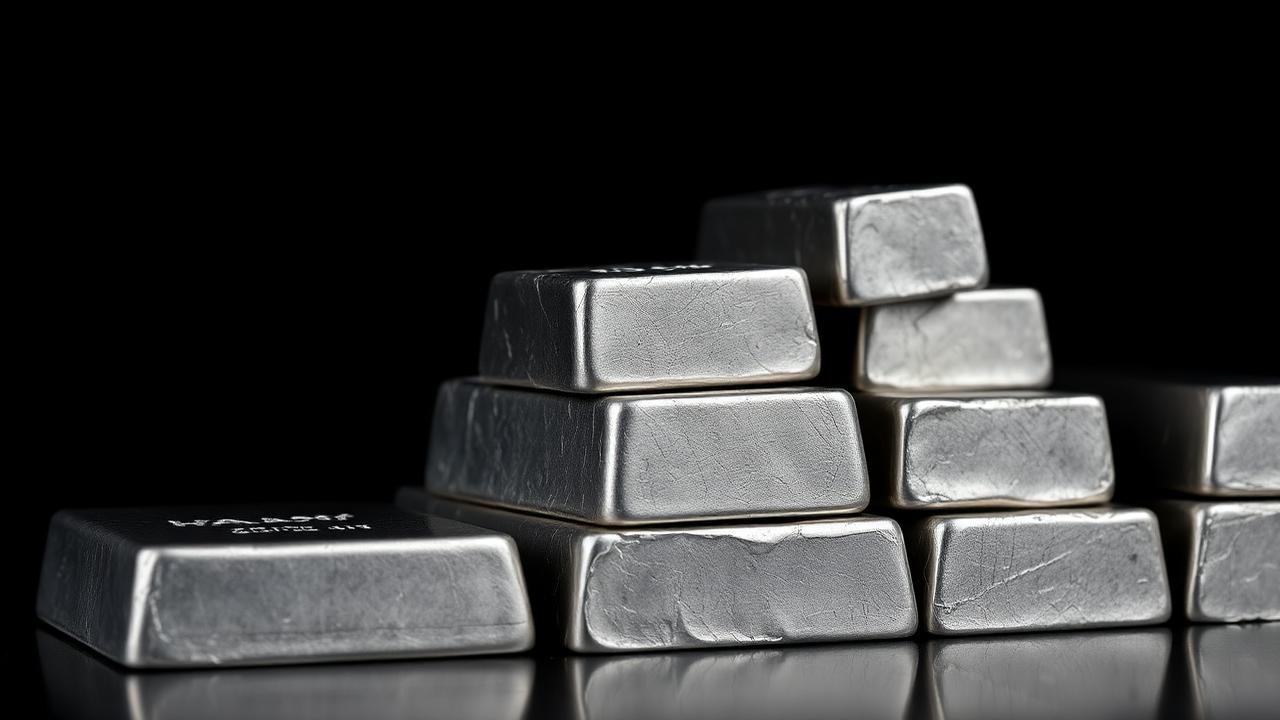
Palladium is the cautionary tale of the precious metals complex. A few years ago it traded at a large premium to both platinum and gold on the back of a genuine shortage. As of mid-September 2026 it sits near $1,322 per ounce, below platinum. Nothing about the metal changed; what changed was the response of its customers. That story is worth understanding in detail, because it illustrates how industrial demand actually works.
A Metal With One Dominant Customer
Palladium's defining characteristic is concentration of use. The overwhelming majority of demand comes from autocatalysts in gasoline vehicles, where palladium converts harmful exhaust gases into less harmful ones. Secondary uses — electronics, dental alloys, chemical catalysts, and jewelry — are real but small by comparison.
Depending on a single end market cuts both ways. When gasoline vehicle production is strong and emissions standards tighten, demand is powerful and inelastic. When that market shrinks or engineers find an alternative, there is no second industry large enough to absorb the surplus.
What Went Wrong for the Bull Case
Substitution Finally Arrived
For years palladium traded well above platinum, and the two metals are chemically similar enough to be interchangeable in many catalyst formulations. Automakers responded exactly as economics predicts: they invested in re-engineering gasoline catalysts to use platinum. Requalification took years, which is why the price premium persisted so long — but once complete, the substitution proved largely permanent. Manufacturers do not re-engineer back and forth chasing quarterly price moves.
Electrification Removes the End Market
A battery-electric vehicle has no exhaust and needs no autocatalyst. Every percentage point of EV market share is a permanent subtraction from palladium's addressable demand, not a deferral. Hybrids soften the transition, since they still require catalysts, but the direction of travel is clear.
Thrifting and Recycling
Catalyst makers have steadily reduced loadings per vehicle, and autocatalyst recycling returns significant volumes of palladium to the market each year. Both trends quietly loosen the balance.
The Case That It Is Now Cheap
Honest analysis has to consider the other side. Several factors support the metal at current levels:
- Supply is concentrated and constrained. Russia and South Africa dominate production, and much palladium arrives as a by-product of nickel and platinum-group mining. Producers cannot simply cut palladium output without affecting the primary metal, but neither can they expand it in response to price.
- Below-incentive pricing. At current prices, some production is marginal. Sustained low prices eventually reduce supply, which is the mechanism by which commodity markets bottom.
- The internal combustion engine is not finished. Hybrid adoption, slower-than-forecast EV uptake in several major markets, and continued demand for gasoline vehicles in emerging economies all extend the runway.
- Substitution can run in reverse. With palladium now below platinum, the economic incentive that drove engineers away from it has inverted. Change would be slow, but it is no longer working against the metal.
How to Position — If at All
Palladium is the most speculative of the four major precious metals, and it should be treated as such. Practical guidance:
- Keep it small. If palladium appears in a portfolio at all, it belongs as a small satellite position alongside a core of gold and silver, sized so that being wrong is survivable.
- Expect poor liquidity. Palladium bars and coins trade in a thin retail market with wide spreads. Selling quickly at a fair price is harder than with gold.
- Do not confuse it with a currency hedge. Palladium does not respond to monetary policy or geopolitical stress the way gold does. Buying it for safe-haven reasons is a category error.
- Check IRA rules first. Palladium must meet a 99.95% fineness standard for retirement accounts, and eligible product choice is narrower than for gold. See our retirement accounts guide.
Indicators Worth Following
Watch global gasoline and hybrid vehicle production, EV share in the largest auto markets, the palladium/platinum spread as a substitution signal, Russian and South African export and production news, and autocatalyst recycling volumes. These industrial inputs drive the price. Monetary headlines mostly do not.
The Bottom Line
Palladium's decline from premium metal to discount metal is a lesson in what happens when a commodity's price rises far enough for long enough that its main customer engineers around it. The metal is now cheap relative to its history and to platinum, with constrained by-product supply and a possible substitution reversal — a real, if uncertain, opportunity. But its demand base is structurally shrinking as vehicles electrify. That combination makes palladium a small, deliberate speculation for investors who understand the industrial thesis, and a poor substitute for the core roles that gold and silver play. Our guide to choosing between the four metals puts it in context.
Found this article helpful?
Take Our 1-Minute Gold IRA Match Quiz
Get a personalized recommendation based on your goals and investment style.
Frequently Asked Questions
Explore Related Topics
For Investors Who Don't Have Time to Chase Headlines
Industry news distilled into a scannable email.
Vincent Edwards
Our editorial team covers palladium for Precious Metals Report, focused on clear, unbiased reporting and investor education.
Read more from this author