The COMEX and Futures Markets: How Paper Gold Influences Physical Prices
Key Takeaways
- 1The COMEX is a primary futures exchange for precious metals, influencing global prices.
- 2Futures contracts are agreements to buy or sell commodities at a future date; most are cash-settled, not physically delivered.
- 3The
- 4paper gold" market sets a benchmark price that physical precious metals markets track closely.
- 5Arbitrage ensures that futures prices and physical prices remain closely aligned.
- 6Investors in physical metal should monitor COMEX price action as a key indicator of market sentiment.
Understanding the COMEX and Futures Markets
For serious investors in precious metals, understanding the mechanisms that influence price discovery is crucial. The COMEX, a division of the New York Mercantile Exchange (NYMEX), stands as a primary venue for trading standardized futures contracts for a range of commodities, including gold and silver. These contracts, often referred to as "paper gold" or "paper silver," play a significant role in price determination, extending their influence to the physical markets.
Historical Context and Evolution
The origins of futures trading can be traced back centuries, initially as a way for farmers and merchants to manage risk related to future harvests and commodity prices. The modern era of commodity exchanges began to take shape in the 19th century, with the establishment of boards of trade and, eventually, formalized exchanges. The COMEX itself was founded in 1933 through the merger of four smaller exchanges, evolving into a dominant force in precious metals trading. Its development paralleled the increasing complexity of global financial markets and the need for sophisticated instruments to manage price volatility.
Mechanics of Futures Contracts
A futures contract is an agreement to buy or sell a specific commodity at a predetermined price on a future date. For gold and silver, these contracts are standardized in terms of quantity (e.g., 100 troy ounces for a standard gold future), quality, and delivery specifications. However, the vast majority of futures contracts are settled in cash before their expiration date, meaning physical delivery rarely occurs. This characteristic is central to the concept of "paper gold" – the trading of contracts representing underlying physical metal without the immediate transfer of ownership of the physical asset.
- Leverage: Futures trading allows investors to control a large value of a commodity with a relatively small amount of capital, known as margin. This leverage can amplify both gains and losses.
- Price Discovery: The continuous buying and selling of futures contracts create a real-time price for the underlying commodity. This price, reflecting collective market sentiment and expectations, acts as a benchmark for the global physical market.
- Hedging: Producers and industrial users of precious metals utilize futures markets to hedge against adverse price movements, locking in future revenues or costs.
- Speculation: A significant portion of futures trading is conducted by speculators aiming to profit from anticipated price changes. Their activities contribute to market liquidity and price discovery but can also introduce volatility.
How "Paper Gold" Influences Physical Prices
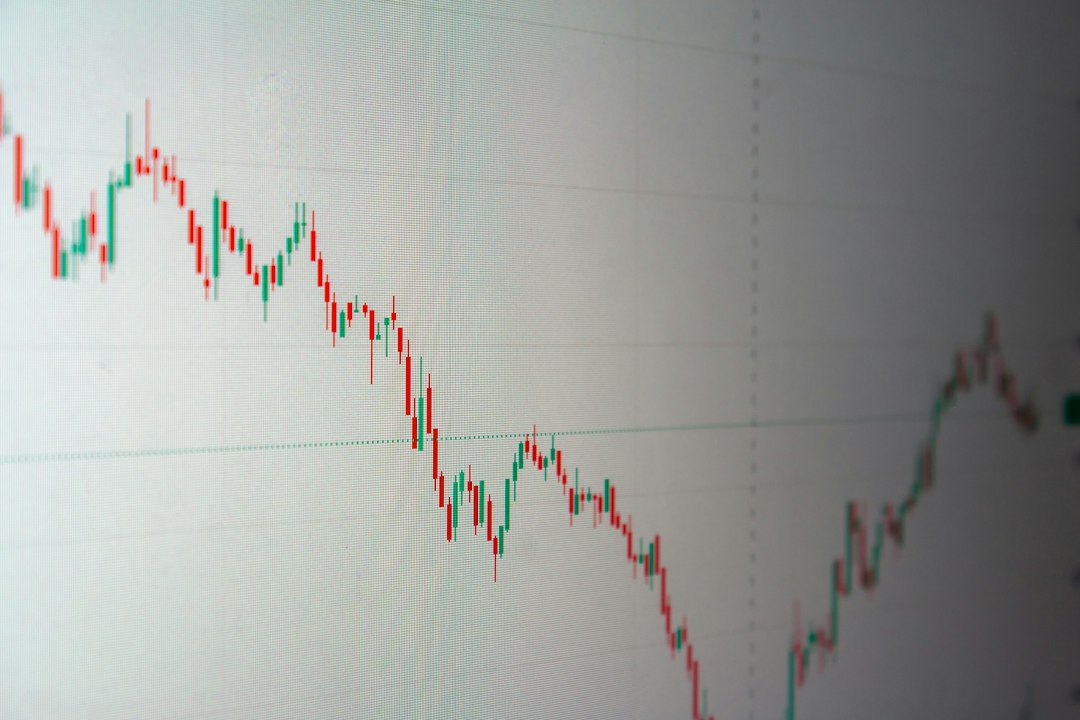
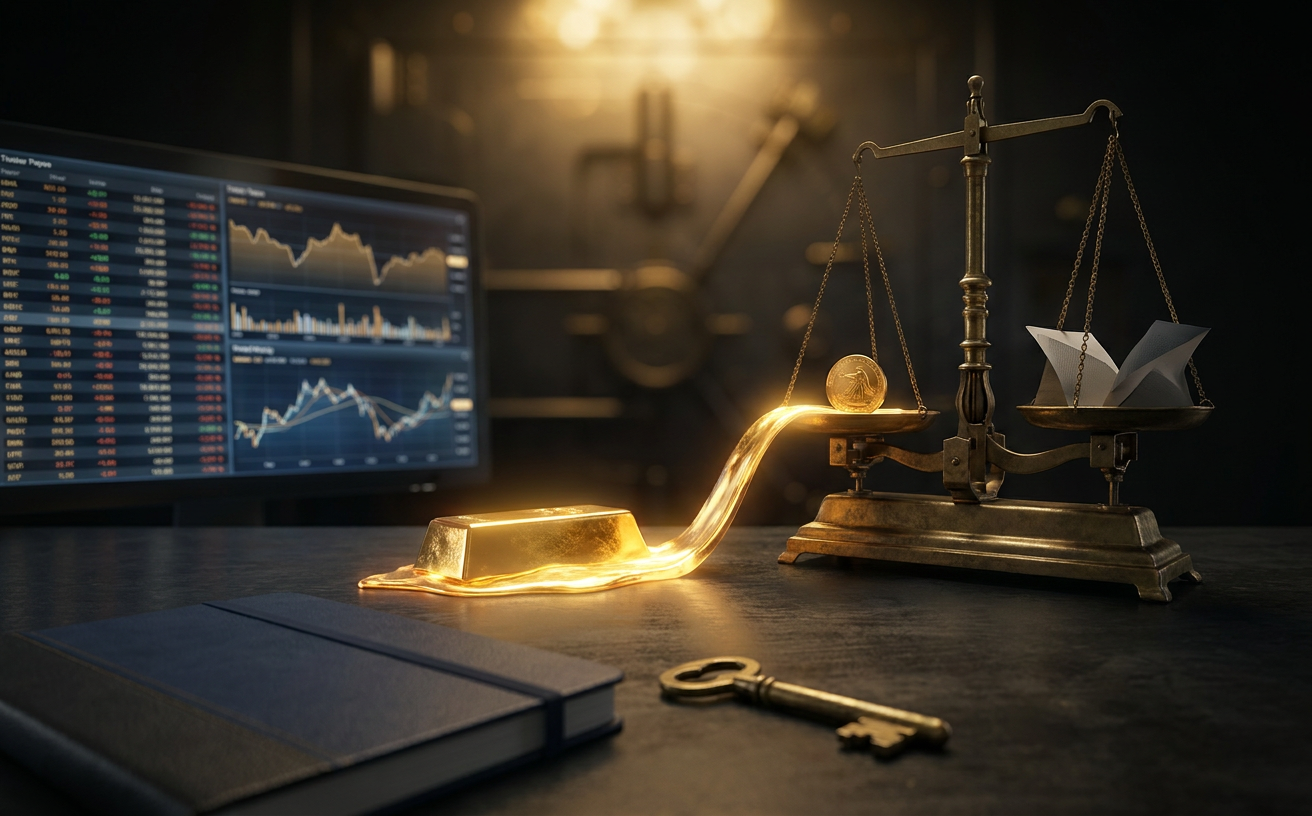
The relationship between futures prices and physical prices is dynamic and complex. While they are distinct markets, the liquid and highly visible futures market often leads the pricing for physical precious metals.
Futures prices provide a global benchmark. When the price of a COMEX gold futures contract moves, it sends a signal across the entire precious metals ecosystem. Retail dealers, refiners, and central banks all monitor these prices closely as they inform their own buying and selling decisions for physical metal. For example, if COMEX gold futures experience a significant sell-off, it can exert downward pressure on the premiums and spot prices offered for physical gold bullion globally. Conversely, strong buying interest in futures can drive up physical prices.
This linkage is further reinforced by arbitrage activities. If a significant discrepancy emerges between futures prices and physical prices, sophisticated market participants will buy in the cheaper market and sell in the more expensive one to profit from the difference, thereby helping to bring the prices back into alignment. This constant interplay ensures that movements in the futures market are quickly reflected in the physical market, even though most futures contracts never result in physical delivery.
Practical Guidance for Investors
For investors focused on acquiring and holding physical precious metals, understanding the COMEX is not about participating directly in futures trading but about recognizing a key driver of market prices. Investors should monitor COMEX price action as an indicator of broader market sentiment and potential future price trends for their physical holdings. While the COMEX provides price signals, it is important to remember that physical demand and supply dynamics, macroeconomic factors, and geopolitical events also play critical roles. Looking ahead to 2026, projections suggest that gold could reach $5,250 per ounce, with silver potentially reaching $93.50 per ounce, reflecting ongoing market dynamics.
Conclusion
The COMEX and the broader futures market are indispensable components of the modern precious metals landscape. While primarily a market for "paper gold," their influence on physical prices is undeniable. By understanding their historical context, operational mechanics, and the intricate connections between paper and physical markets, serious investors can gain a more comprehensive perspective on their precious metals investments.
Found this article helpful?
Take Our 1-Minute Gold IRA Match Quiz
Get a personalized recommendation based on your goals and investment style.
Frequently Asked Questions
Explore Related Topics
For Investors Who Don't Have Time to Chase Headlines
Industry news distilled into a scannable email.
Vincent Edwards
Our editorial team covers investing for Precious Metals Report, focused on clear, unbiased reporting and investor education.
Read more from this author