China's US Treasury Holdings at 18-Year Low Amidst Rising Debt Concerns

Key Takeaways
- 1China has reduced its holdings of US Treasuries to an 18-year low, reflecting a decade-long trend of diversification and trade tensions.
- 2The decline in foreign demand for US debt is contributing to higher yields and increased borrowing costs across the US economy.
- 3Moody's recently downgraded the US credit rating, citing concerns over rising deficits and the growing national debt.
- 4Experts suggest that while the shift is significant, it aligns with diversification strategies rather than panic selling, due to the large and liquid nature of the US bond market.
- 5The reduction in China's holdings has reignited discussions about de-dollarization, though the US dollar remains the dominant global currency.
- 6Global buyers are becoming more selective in their investments in US debt as borrowing continues to rise.
China's Reduced Treasury Holdings and the Shifting Global Economic Landscape
According to a recent video, China has significantly decreased its holdings of US Treasury securities, reaching levels not seen in 18 years. This reduction is not an isolated event but rather a continuation of a decade-long strategy influenced by trade tensions, efforts toward reserve diversification, and ongoing discussions surrounding de-dollarization. The recent decline in China's Treasury exposure has occurred during a period of volatility in the US bond market, highlighted by Moody's downgrade of the US credit rating due to concerns about burgeoning deficits and the increasing national debt. Concurrently, Japanese investors have also accelerated their reduction of bond holdings, marking the fastest pace in four years.
The diminished foreign demand for US Treasuries typically necessitates higher yields to attract buyers, a pressure now evident in long-term borrowing costs. For instance, the 30-year Treasury yield recently surpassed 5.1%, while average mortgage rates have remained near 7%. This confluence of factors underscores a critical juncture for the US economy, as it grapples with internal fiscal challenges and evolving international investment strategies.

Foreign Investor Retreat: A Gradual but Consistent Pattern
Data from the US Treasury Department's Treasury International Capital (TIC) indicates that China's Treasury holdings have reverted to levels last observed during the global financial crisis. This protracted reduction in exposure by a major foreign holder signals a deliberate, long-term adjustment rather than an abrupt sell-off.
Diversification Over Panic Selling
- While the reduction is notable, some analysts view China's actions as a strategic diversification effort rather than an indication of panic selling.
- Former Goldman Sachs Asset Management chairman Jim O'Neill has suggested that the enormity and liquidity of the US bond market ensure that any reduction by one major holder, such as China or Japan, would likely be absorbed by other buyers.
Despite China's reduced exposure, the overall foreign ownership of Treasuries remains substantial. However, investors are closely monitoring these shifts due to the cascading effect of higher yields throughout the economy. Elevated mortgage rates, auto loan costs, and credit card borrowing rates observed this year are direct consequences of these broader financial pressures.
De-Dollarization Discussions Reignite
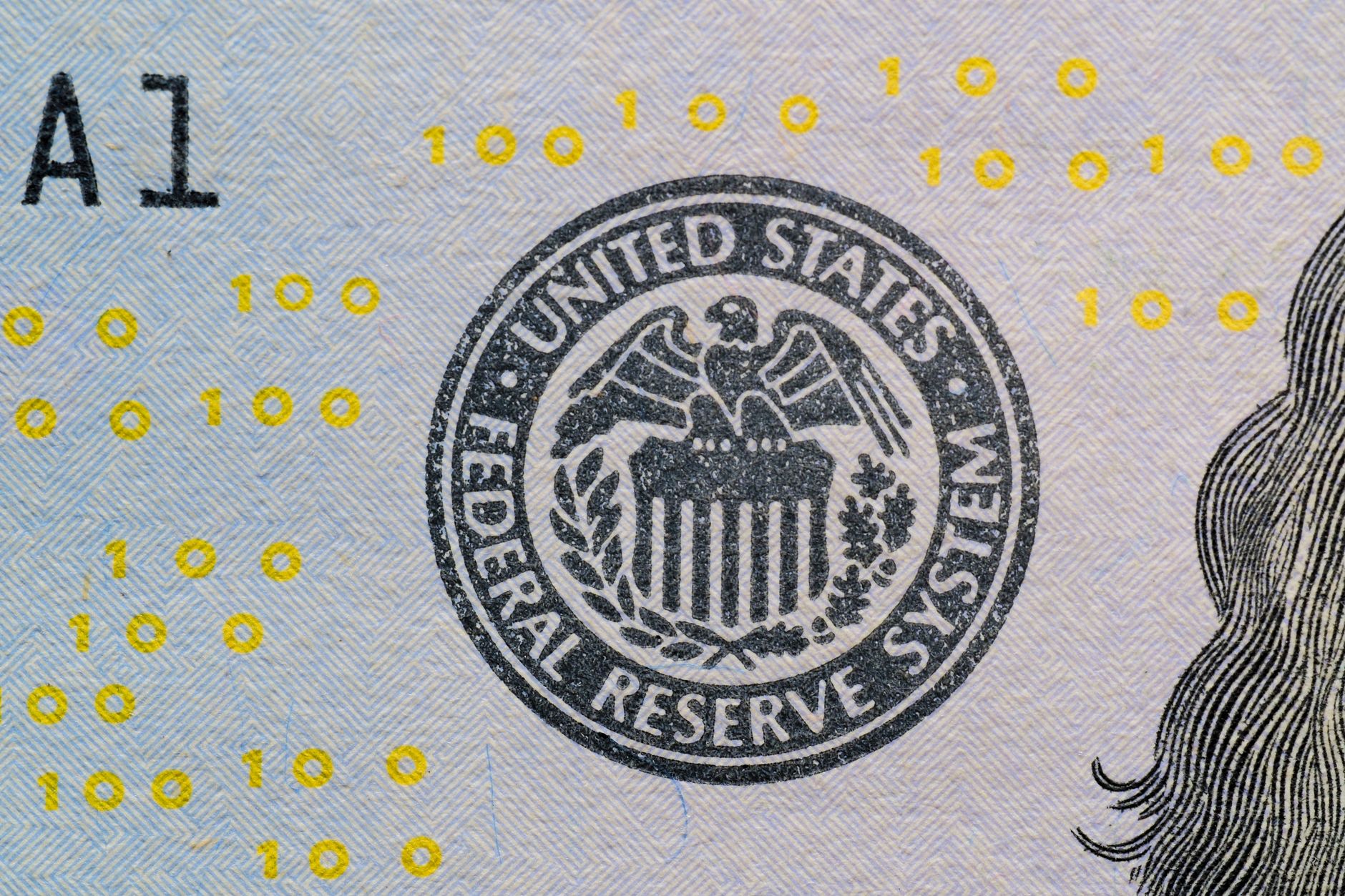
The latest Treasury data has revived discussions concerning de-dollarization, though experts caution against immediate conclusions regarding the US dollar's global reserve currency status. The US bond market continues to be recognized as the largest and most liquid worldwide, reinforcing the dollar's foundational role in international finance.
Increased Selectivity by Global Buyers
- The steady decrease in China's Treasury holdings, against a backdrop of increasing US borrowing, suggests a growing selectivity among global buyers.
- This trend indicates that while the dollar retains its prominence, major economic powers are increasingly strategic in their allocation of reserves, evaluating the balance between yield, risk, and diversification objectives.
The implications of these developments extend beyond mere financial transactions, touching upon geopolitical considerations and the long-term stability of the international monetary system. As the US national debt continues to climb, the willingness of foreign entities to finance this debt will remain a critical metric for economic observers.
Found this article helpful?
Take Our 1-Minute Gold IRA Match Quiz
Get a personalized recommendation based on your goals and investment style.
Frequently Asked Questions
Explore Related Topics
For Investors Who Don't Have Time to Chase Headlines
Industry news distilled into a scannable email.
Vincent Edwards
Our editorial team covers market news for Precious Metals Report, focused on clear, unbiased reporting and investor education.
Read more from this author